Is AI going to take Photographers Job’s?
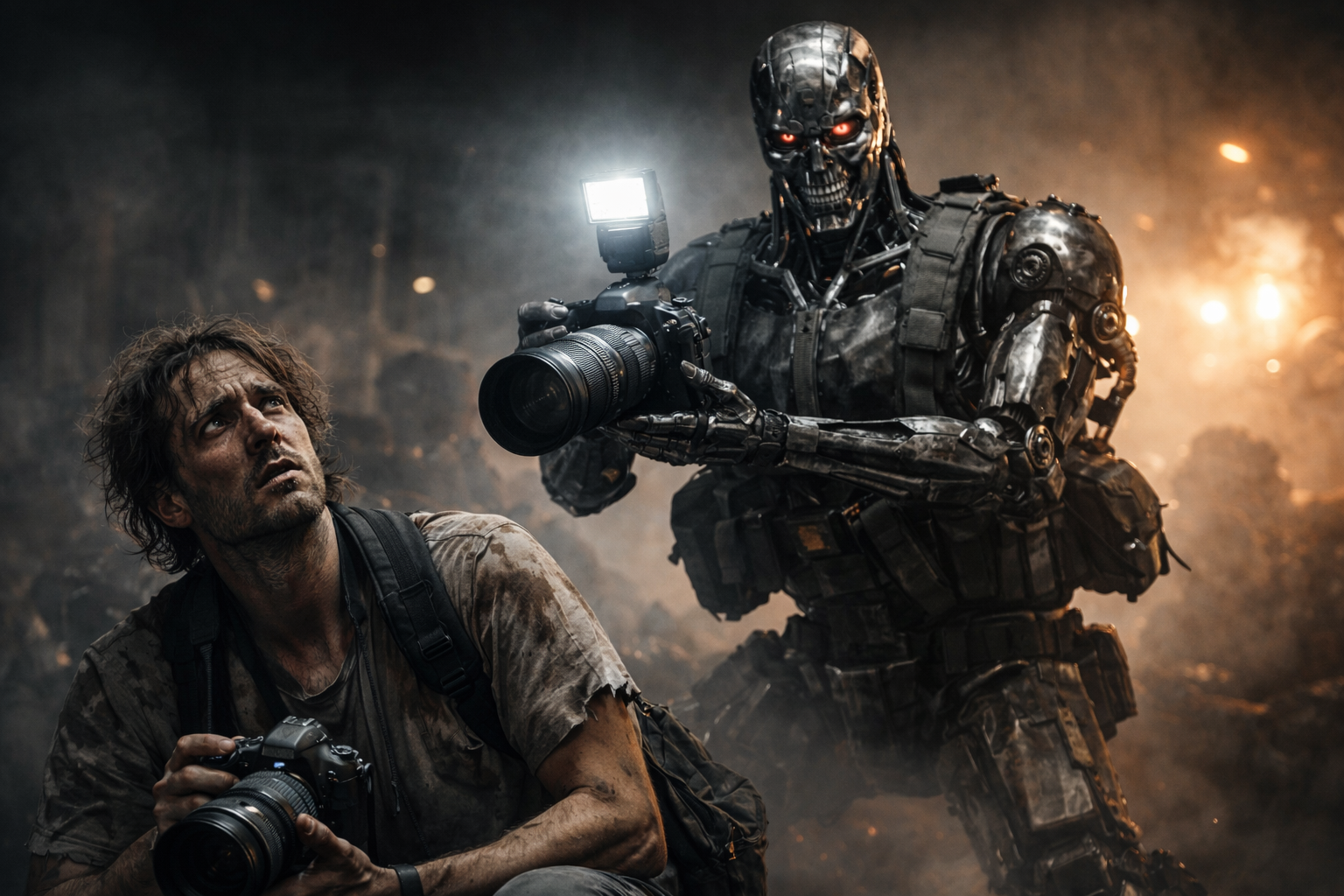
Most major U.S. cities are integrating artificial intelligence into everyday life. More and more, it has become normal to have food delivered by robots, and Miami was recently introduced to Waymo’s self driving cars. Companies are implementing AI into apps, restaurants are hiring AI receptionists to help book guests, news outlets are experimenting with AI copywriters, and Instagram is increasingly being taken over by artificially generated content. This raises an important question: are photographers going to be left out of jobs?
While having a conversation with a friend about her AI model agency, we started looking at my Instagram profile. She mentioned that my profile picture looked too dark. I agreed and said I needed to change it when the time was right, to which she replied that we could do it immediately. I politely said no, but she took a picture of my face anyway and, within fifteen minutes, generated an AI image for my Instagram that fit my profession.
Although I think the image is cool, I still prefer having a real photo as my profile picture. A natural image gives off a more authentic and human feeling, which I believe builds more trust with potential clients. At the same time, I do use AI myself. Sometimes I turn to it for creative inspiration, or when I need a concept image, such as visuals for this blog. Used correctly, AI can be a useful tool, but for me, authenticity still matters most.
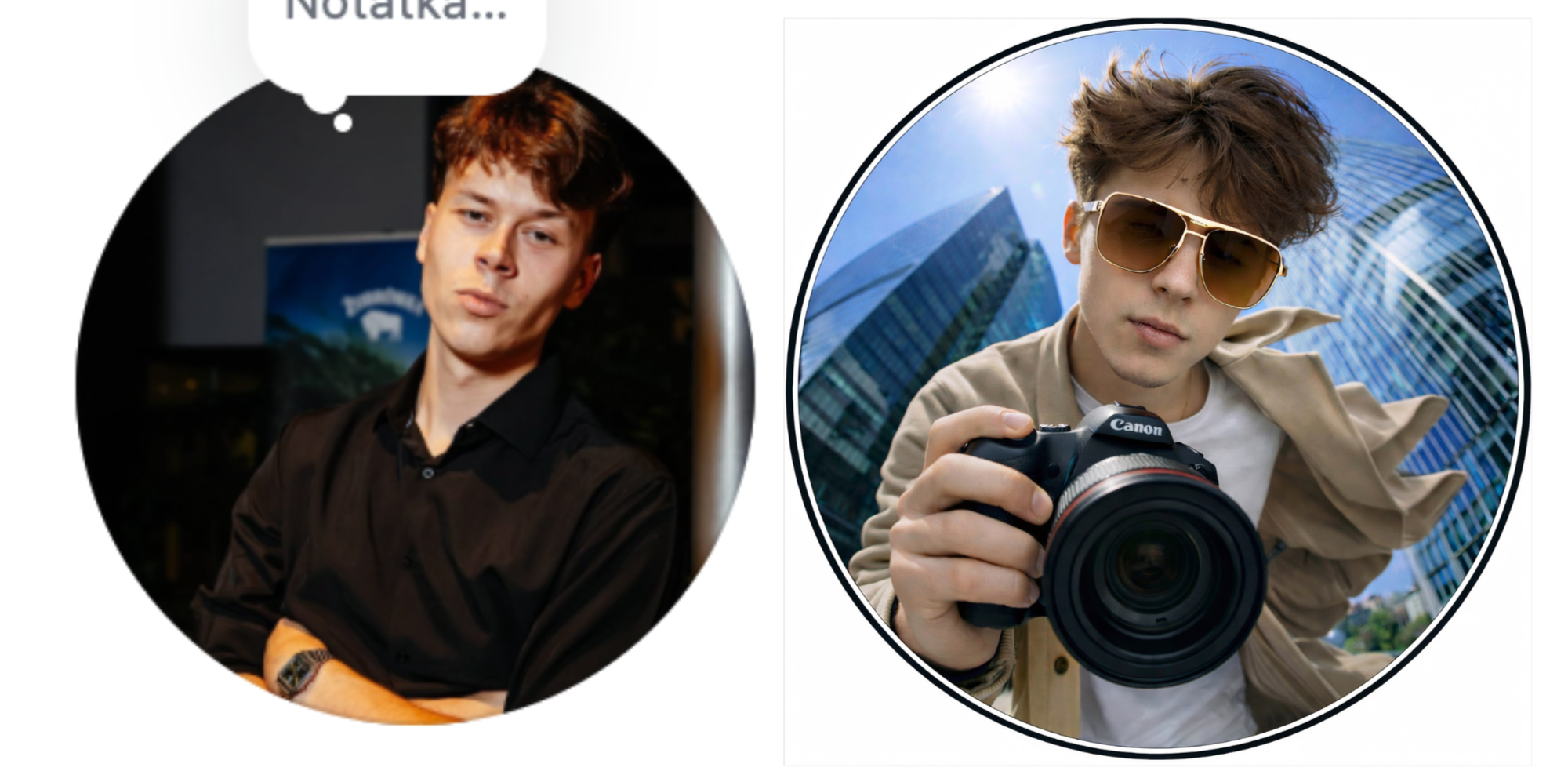
on the right my current profile picture, next to it AI generated me
What struck me, though, was how fast and accurate the image looked. It made me think: if my friend could generate this in fifteen minutes today, what will happen in the future? Is my job eventually going to be taken over?
More and more, we see delivery robots being used, and Miami has now been introduced to self driving cars. There is no driver in between the app and the destination, just a program doing its job. No emotion, no drama - pure calculation. Creators, especially on Instagram and TikTok, are producing content that looks increasingly realistic. Even for me, a 22 year old who works with visuals daily, I sometimes have to double or triple check whether an image or video was created by AI or not.
So if that is the case, why would the world still need photographers? We can upload an image, write a prompt with exact needs, tone, lighting, background, and style, and AI will generate exactly what we ask for, almost like a genie. If you need a professional headshot, you can upload your photo and ask AI to create one. If you need a short form video, you can upload a picture and AI can animate it into something visually impressive. Even now, tools like Nano Banana Pro can create cinematic-looking visuals that most people would struggle to distinguish from reality.
But what about weddings? What about birthdays?
Weddings, birthdays, baby showers, and similar events are moments that cannot be replaced by AI, no matter how advanced technology becomes. These are situations where emotion plays a major role, and emotion cannot be automated. Even if robots or drones are developed to capture images and action shots, photography is not just about pressing a button. It is about observing, understanding the mood, reading the room, and reacting in real time.
That is where great photos and videos come from. Whenever you look at an image or watch a film, it evokes something inside you. You might feel happiness, discomfort, sadness, or empathy. When you walk through an art gallery or watch a powerful movie scene, it is that emotional response that stays with you. This is something robots and artificial intelligence cannot truly recreate, simply because they do not experience emotion.
Social media platforms like Instagram operate on clicks and attention, and the content that performs best is the content that triggers emotion. Influencers sell dreams, lifestyles, confidence, beauty, and success. Models sell an image that creates desire or comparison. Courses are sold through motivation and aspiration. At the core of it all is emotion.
That leads me to my conclusion. As long as a photographer is able to capture emotion and make the viewer feel something, photography will not disappear. If you can create images that connect with people on a human level, there will always be a place for your work. Technology may change the tools, but it will not replace the feeling.